When someone searches online for a nearby web designer, restaurant, repair service, clinic, or other local business, they usually want useful information quickly. They may be looking for a business they can visit, a service provider who serves their area, or a reliable company they can contact today.
This is where Local SEO for small businesses becomes valuable. Local SEO is the process of improving your online presence so that your business can be discovered in relevant searches connected to a location or service area.
Unlike a broad SEO strategy that may target a nationwide audience, local SEO focuses on reaching people searching for products and services in a particular city, town, neighbourhood, or nearby area.
For example, a web development company serving Prayagraj may want its website to appear when potential clients search for web development services in Prayagraj. A bakery may want nearby customers to find its address, opening hours, menu, and contact details.
Local SEO cannot guarantee a particular ranking or a fixed number of enquiries. However, a well-maintained local presence can help customers find accurate information and understand whether your business meets their needs.
What Is Local SEO?
Local SEO is a branch of search engine optimization that helps businesses become more visible in geographically relevant search results. It includes optimizing your website, managing your Google Business Profile where eligible, maintaining accurate business information, earning genuine reviews, and creating useful location-relevant content.
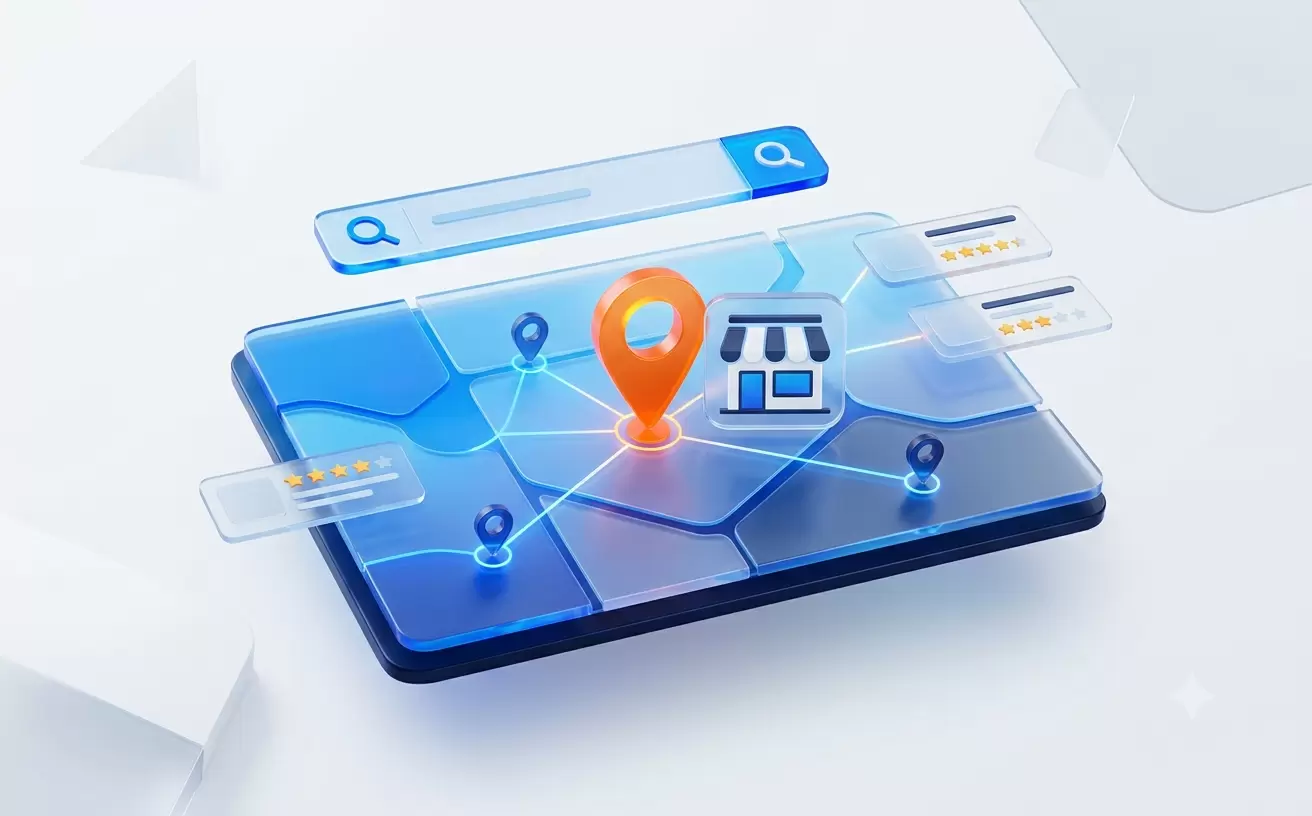
Local search visibility can include traditional organic results as well as map-based results. The way results appear depends on the search query, the user's location, and other factors.
Local SEO Example
Imagine a person searches for “plumber near me” or “website developer in Prayagraj.” Search engines try to identify relevant businesses and pages that may satisfy the request.
A business with accurate contact details, useful service information, a well-structured website, and a complete business profile may be better positioned to help searchers than a business with missing or inconsistent information. Results are not guaranteed, because local rankings depend on several factors.
Why Local SEO Matters for Small Businesses
1. Reach People Searching for Nearby Services
Many local searches have a clear purpose. A person may need a repair, want to book an appointment, or compare service providers in their area. Local SEO helps your business provide the information those people need to decide what to do next.
2. Improve Your Local Online Presence
Your website and business listings can work together to present consistent information about your business. Customers can learn what you offer, where you operate, when you are available, and how to contact you.
3. Build Trust Through Accurate Information
Incorrect phone numbers, outdated opening hours, missing service details, or conflicting addresses can create confusion. Keeping your website and eligible business profiles accurate makes it easier for people to verify your business before contacting you.
4. Help Customers Compare Their Options
Potential customers often compare services, reviews, photos, prices where available, and business details before making a decision. Clear information helps them understand your offering without having to search across multiple sources.
5. Support Long-Term Marketing
Local SEO can complement other marketing activities, including social media, referrals, paid advertising, and content marketing. A useful website and accurate local information remain valuable assets even as individual marketing campaigns change.
How Google Determines Local Search Results
Google explains three major factors that influence local results: relevance, distance, and prominence.
Relevance
Relevance describes how well a business matches what someone is searching for. Accurate business categories, detailed service information, and helpful website content can make it easier to understand what your business offers.
Distance
Distance refers to how far a business is from the location used in a search. A business cannot legitimately eliminate this factor by adding unrelated locations or repeating city names across its website.
Prominence
Prominence relates to how well-known or established a business appears to be. Information across the web, genuine customer reviews, and other signals may contribute to how a business is understood online.
These factors work together. There is no legitimate shortcut that guarantees the top local result for every search. Focus on accurately representing your business and helping customers make informed decisions.
Step 1: Set Up and Optimize Your Google Business Profile
For eligible businesses that interact with customers in person or serve them at their locations, a Google Business Profile can be an important part of local SEO. It can help display business information across Google Search and Maps.
Start by visiting Google Business Profile and checking the current eligibility and setup requirements for your business.
Choose the Correct Business Name
Use your real-world business name as it is genuinely used with customers. Do not add extra keywords, city names, promotional phrases, or service lists to the name solely to influence rankings.
Select the Most Relevant Business Category
Choose the category that most accurately describes your primary business. Add relevant additional categories only when they genuinely apply. Avoid selecting unrelated categories to target more searches.
Keep Contact Information Accurate
Make sure your phone number, website URL, operating hours, and other applicable details are correct and kept up to date. If your business changes its hours or contact information, update the relevant listings promptly.
Describe Your Services Clearly
Explain what your business actually provides. Use clear language that customers understand, and keep your service descriptions accurate. Helpful information is more valuable than a description filled with repeated keywords.
Add Genuine Business Photos
Where relevant, upload authentic photos of your premises, work, products, team, or completed projects. Use images that represent your business honestly and help customers understand what they can expect.
Follow Google's Eligibility Guidelines
Not every online-only business qualifies for a Google Business Profile. Businesses generally need to meet Google's requirements for in-person customer contact or service-area operations. Review the current guidelines before creating or changing a profile.